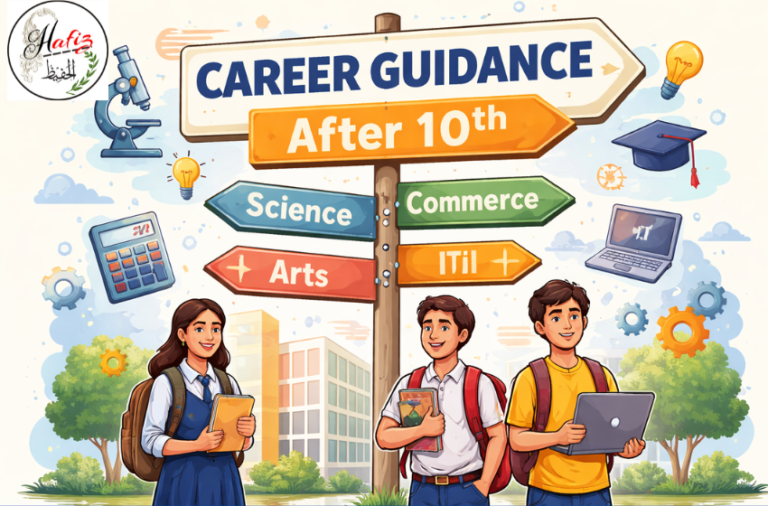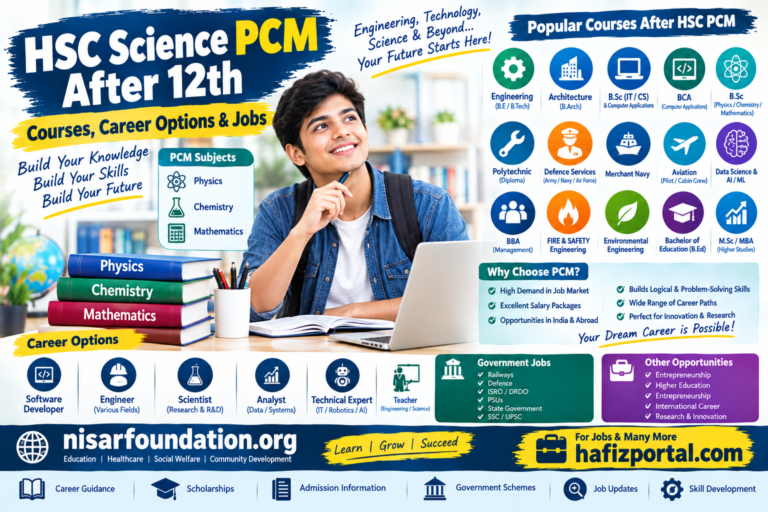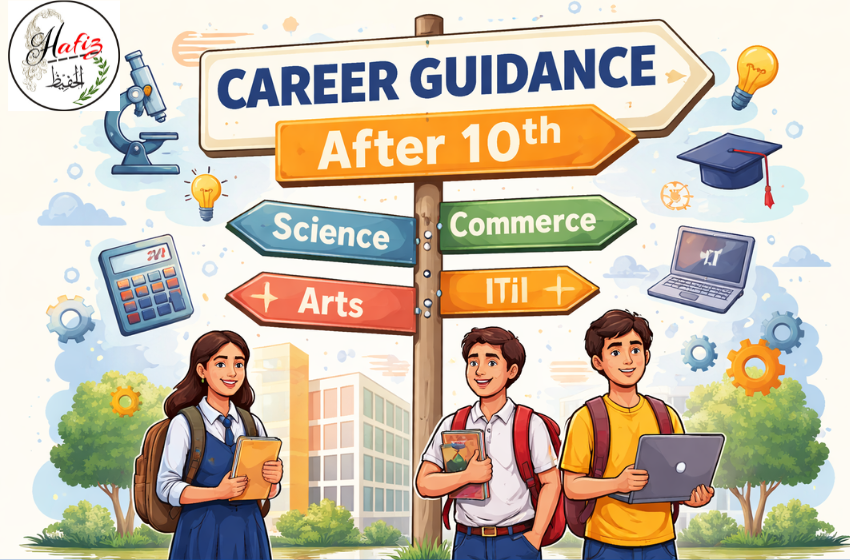
Career Guidance After 10th: Design Courses & Career Options
Career Guidance After 10th: Design Courses, Career Options and Future Scope
Introduction: How to Build a Design Career After 10th
Design is no longer limited to drawing, painting or fashion. Today, design is connected with technology, business, architecture, entertainment, advertising, websites, mobile applications, products and digital media.
Students who complete Class 10 can start preparing for a design career through several different routes. Some students may choose a diploma or certificate course immediately after 10th. Others may continue with Class 11 and 12 and then apply for undergraduate design, architecture, fashion or fine arts programs.
A design career can be suitable for students who enjoy:
- Drawing and sketching
- Creativity
- Technology
- Fashion
- Interior spaces
- Photography
- Animation
- Websites and apps
- Products and objects
- Visual communication
- Problem-solving
There is no single stream that is compulsory for every design career. The appropriate stream depends on the course you want to pursue.
For example, some architecture pathways have specific Mathematics and subject requirements, while many design programs accept students from different educational backgrounds.
This guide explains design courses after 10th, design courses after 12th, diploma options, BDes, BFA, B.Arch, fashion technology, interior design, graphic design, animation, UI/UX, product design and career opportunities.
Design Career Options After 10th
After Class 10, students can broadly choose between two approaches:
Option 1: Start a Practical Design Course
Students can explore diploma or certificate programs in areas such as:
- Fashion design
- Textile design
- Interior design
- Graphic design
- Animation
- VFX
- Web design
- Digital media
- Multimedia
These programs can provide early exposure to practical skills.
Option 2: Continue Class 11 and 12
Students who want to pursue degree-level education can continue their school education and select a stream according to their future course requirements.
Possible routes include:
10th → 11th & 12th → Design Degree
or
10th → 11th & 12th with Mathematics → Architecture/Technical Design Pathway
The right option depends on the student’s target course.
Which Stream Should You Choose After 10th for Design?
One of the most common questions students ask is:
“Which stream is best for a design career after 10th?”
There is no single answer.
Different design careers have different eligibility requirements.
Science Stream
Science with Mathematics can be useful for students interested in:
- Architecture
- Technical design
- Product design
- Engineering-related design
- Fashion technology
- Certain technology-based design fields
Mathematics can be particularly important for architecture-related education.
Commerce Stream
Commerce students can explore many creative fields, including:
- Graphic design
- Fashion
- Branding
- Digital marketing
- Communication design
- UI/UX
- Business-related design
- Retail and visual merchandising
Arts/Humanities Stream
Arts can be a natural fit for students interested in:
- Fine arts
- Visual communication
- Illustration
- Fashion
- Photography
- Animation
- Graphic design
- Creative writing and media
However, students should check the eligibility rules of the specific course before choosing their Class 11 stream.
Diploma Courses After 10th in Design
Students who want practical training can explore diploma programs after Class 10.
Course names, duration and eligibility vary between institutions.
1. Diploma in Fashion Design
Fashion design combines creativity, clothing, fabrics and practical production knowledge.
Students may learn:
- Fashion illustration
- Clothing design
- Fabric knowledge
- Pattern making
- Garment construction
- Colour theory
- Fashion trends
- Basic textile knowledge
- Portfolio development
Possible career roles
After gaining appropriate education and experience, students can explore:
- Fashion designer
- Fashion assistant
- Pattern-making roles
- Stylist
- Costume design assistant
- Fashion merchandiser
- Textile-related roles
Fashion professionals may work with brands, fashion houses, retail companies, manufacturers, exporters, media companies or independently.
2. Diploma in Textile Design
Textile design focuses on fabrics, patterns and surface design.
Students may study:
- Textile materials
- Surface patterns
- Printing techniques
- Colour combinations
- Fabric development
- Textile illustration
- Traditional and modern textile techniques
Career directions
Possible areas include:
- Textile design
- Surface design
- Print design
- Fashion production
- Home furnishing
- Textile manufacturing
Students interested in Indian textiles can also explore traditional techniques and regional crafts.
3. Diploma in Interior Design
Interior design focuses on how indoor spaces are planned and designed.
Students may learn:
- Space planning
- Furniture layout
- Colour theory
- Lighting basics
- Materials
- Interior styling
- Drawing and presentation
- Computer-Aided Design (CAD)
- 3D visualization
Possible career roles
- Interior designer
- Interior design assistant
- Space planner
- CAD technician
- Visual merchandising assistant
- 3D visualization assistant
Interior designers can work on residential, commercial, hospitality and retail projects.
4. Diploma in Graphic Design
Graphic design is one of the most accessible digital design fields for beginners.
It focuses on communicating ideas visually.
Students may learn:
- Typography
- Layout
- Branding
- Posters
- Social media graphics
- Image editing
- Illustration
- Presentation design
- Visual communication
Students may use professional design software such as Photoshop, Illustrator or similar tools.
Possible career opportunities
- Graphic designer
- Visual designer
- Brand design assistant
- Social media designer
- Illustrator
- Creative assistant
A strong portfolio is especially important in graphic design.
5. Diploma in Animation and VFX
Animation and visual effects combine art and technology.
Students may learn:
- 2D animation
- 3D animation
- Character design
- Storyboarding
- Motion graphics
- Visual effects
- Video editing
- 3D modelling
- Lighting
- Rendering
Career directions
Depending on specialization and experience, students can explore:
- Animator
- 3D artist
- VFX artist
- Motion graphics designer
- Character artist
- Concept artist
- Video editor
- Game art roles
Animation and VFX professionals may work in film, television, advertising, gaming, OTT content and digital media.
6. Diploma in Web and UI Design
Web and UI design combines creativity with technology.
Students may learn:
- Website layouts
- HTML and CSS basics
- Responsive design
- User interface principles
- Typography
- Colour systems
- Wireframing
- Prototyping
- Basic user experience concepts
Career directions
- Web designer
- UI designer
- Junior UX designer
- Digital designer
- Website design freelancer
Students who enjoy both design and technology can later learn front-end development.
Degree Courses After 12th for Design
After completing Class 12, students can explore undergraduate programs in different areas of design and creative education.
The eligibility criteria differ between institutions.
Bachelor of Design (BDes)
The Bachelor of Design (BDes) is a major undergraduate design degree.
Depending on the institution, BDes programs can offer specializations such as:
- Fashion design
- Communication design
- Industrial design
- Product design
- Textile design
- Interaction design
- Animation
- User experience design
The exact specializations vary by institution.
BDes programs generally combine:
Creative thinking + Design theory + Practical projects + Portfolio development
NID and Design Education
The National Institute of Design (NID) is a major design education institution in India.
Students interested in NID should check the current admission requirements, entrance process, programs and important dates directly from the official website.
National Institute of Design – Official Website
Admission rules can change, so students should not depend on old entrance-exam information found on social media or unofficial websites.
NIFT and Fashion Design
The National Institute of Fashion Technology (NIFT) is associated with fashion education and offers programs across areas connected with fashion, design, technology and management.
Students interested in fashion education should check the current eligibility criteria and admission process on the official NIFT website.
Possible areas of study can include fashion design, textile design, accessory design, communication and fashion technology, depending on the program and admission year.
UCEED and Undergraduate Design
UCEED is an entrance examination associated with undergraduate design admissions at participating institutes.
Students interested in this pathway should check the current eligibility requirements and participating institutes on the official UCEED website.
The examination and admission requirements should always be verified for the relevant admission year.
Bachelor of Fine Arts (BFA)
Students who are more interested in traditional and contemporary art can consider a Bachelor of Fine Arts (BFA).
Depending on the institution, subjects can include:
- Painting
- Sculpture
- Drawing
- Applied arts
- Visual arts
- Illustration
- Printmaking
- Photography
BFA can suit students who want to develop artistic expression and a professional art portfolio.
Possible career directions include:
- Artist
- Illustrator
- Art educator
- Visual artist
- Creative professional
- Exhibition-related work
- Freelance artist
Bachelor of Architecture (B.Arch)
Bachelor of Architecture is a professional undergraduate program related to the planning and design of buildings and spaces.
Architecture combines:
- Mathematics
- Design
- Construction knowledge
- Drawing
- Building technology
- Structural concepts
- Environmental considerations
- Digital design tools
Architecture has specific eligibility and admission requirements.
Students should check the current rules of the relevant authority and institution before choosing subjects in Classes 11 and 12.
The Council of Architecture (CoA) is an important official source for information related to architectural education and professional regulation in India.
Council of Architecture – Official Website
Bachelor of Fashion Technology (BFTech)
Fashion technology combines fashion with technical and production-related knowledge.
Students may study areas such as:
- Garment manufacturing
- Production technology
- Apparel engineering
- Quality management
- Production planning
- Textile and garment technology
- Fashion industry processes
This can be suitable for students who are interested in the technical side of the fashion and apparel industry.
NIFT provides official information about its relevant undergraduate programs and eligibility requirements.
Popular Design Fields and Career Options
Design is a broad field. Students should understand the differences between major specializations before selecting a course.
Fashion Design Career
Fashion design focuses on clothing, accessories, materials and visual style.
Possible roles include:
- Fashion designer
- Assistant designer
- Textile designer
- Stylist
- Pattern maker
- Costume designer
- Fashion merchandiser
- Fashion illustrator
Where can fashion professionals work?
They may work with:
- Fashion brands
- Retail companies
- Garment manufacturers
- Export houses
- Fashion studios
- Media and entertainment companies
- Independent businesses
Some professionals also establish their own fashion labels.
Interior Design Career
Interior design is concerned with the planning and appearance of indoor spaces.
Possible roles include:
- Interior designer
- Space planner
- Interior stylist
- CAD designer
- 3D visualization artist
- Exhibition designer
- Visual merchandising professional
Projects may include:
- Homes
- Offices
- Restaurants
- Hotels
- Retail stores
- Educational spaces
- Exhibition areas
Practical experience is important because real projects involve budgets, materials, clients, contractors and timelines.
Graphic Design Career
Graphic design is used by almost every modern organization.
Graphic designers may create:
- Logos
- Brochures
- Posters
- Social media content
- Advertisements
- Packaging
- Presentations
- Websites
- Brand identity materials
Possible roles include:
- Graphic designer
- Brand designer
- Visual designer
- Illustrator
- Social media designer
- Creative designer
Graphic design also offers opportunities for freelance work, subject to the person’s skills and ability to find clients.
UI/UX Design Career
UI means User Interface, while UX means User Experience.
UI designers focus on the visual interface of digital products.
UX professionals focus more broadly on how users interact with products and whether the experience is useful, clear and easy to navigate.
Students may learn:
- User research
- Wireframes
- Prototypes
- Interface design
- Design systems
- Usability
- Information architecture
Possible career roles include:
- UI designer
- UX designer
- Product designer
- Interaction designer
- UX researcher
Technology companies, startups, financial services, e-commerce companies and many other organizations use digital product design.
Animation and Gaming Career
Animation and gaming combine creativity, storytelling and technology.
Possible roles include:
- Animator
- Game artist
- Game designer
- Concept artist
- Character designer
- 3D artist
- VFX artist
- Motion graphics designer
Students interested in gaming should understand that game development includes several different areas.
These can include:
- Game design
- Programming
- Art
- Animation
- Sound
- Storytelling
- Testing
Therefore, students should identify which part of game development interests them most.
Industrial and Product Design
Industrial and product design focuses on physical products and how they look, function and interact with users.
Examples include:
- Consumer products
- Electronics
- Furniture
- Appliances
- Packaging
- Transportation products
- Industrial equipment
Students may learn:
- Sketching
- Product development
- Materials
- 3D modelling
- Prototyping
- User research
- Manufacturing basics
Possible roles include:
- Industrial designer
- Product designer
- Design researcher
- Product development professional
How to Start a Design Career After 10th
Step 1: Start Drawing and Sketching
You do not have to be a professional artist to start learning design.
Practice:
- Basic shapes
- Perspective
- Objects
- Human figures
- Environments
- Product sketches
- Fashion sketches
Regular practice is more useful than trying to create perfect drawings immediately.
Step 2: Learn Design Software
Depending on your chosen field, you can gradually learn tools for:
- Image editing
- Vector design
- Video editing
- Animation
- 3D modelling
- CAD
- UI/UX design
Do not try to learn every software package.
Choose tools related to your career goal.
Step 3: Build a Portfolio
A portfolio is one of the most important parts of a design career.
Your portfolio can contain:
- Sketches
- Posters
- Logos
- Fashion designs
- Interior concepts
- Product concepts
- UI designs
- Animation projects
- Photography
- Illustration
- College projects
The goal is not to show hundreds of random designs.
Instead, show your best and most relevant work.
Step 4: Explain Your Design Process
A good portfolio can show more than the final image.
For selected projects, explain:
- What was the problem?
- What was your idea?
- How did you research it?
- What sketches did you create?
- What alternatives did you consider?
- Why did you select the final design?
- What did you learn?
This helps demonstrate your thinking and problem-solving process.
Step 5: Explore Different Design Fields
Do not decide your specialization simply because one field is popular.
Try small projects in:
- Fashion
- Graphic design
- UI/UX
- Interior design
- Product design
- Animation
- Photography
- Illustration
After exploring different areas, you may understand your interests better.
Step 6: Prepare for Entrance Examinations
Some institutes use entrance examinations or other admission processes.
Depending on the course and institution, students may need to prepare for areas such as:
- Drawing
- Visual reasoning
- Creativity
- General awareness
- Design aptitude
- Problem-solving
- Observation
- Portfolio or studio assessment
Always check the official admission notification for the relevant year.
Design Entrance Exams and Institutions
Some important names students may encounter while researching design education include:
| Institution/Exam | Area |
|---|---|
| NID | Design education |
| NIFT | Fashion, design and related fields |
| UCEED | Undergraduate design admissions at participating institutes |
| CoA | Architecture education and professional regulation |
| Universities/Design Colleges | Different design specializations |
Admission rules can change. Students should always use official websites for current information.
Skills Needed for a Successful Design Career
A design student should develop more than drawing skills.
Creativity
Design requires new ideas and different ways of solving problems.
Observation
Good observation helps designers understand people, objects, spaces and visual details.
Communication
Designers need to explain their ideas to clients, teachers, managers and team members.
Problem-Solving
Design is often about solving a specific problem rather than simply making something attractive.
Technical Skills
Digital tools are increasingly important across many design fields.
Research
Designers need to understand users, markets, materials, trends and project requirements.
Time Management
Projects often have deadlines.
Portfolio Development
A strong portfolio can demonstrate your skills more effectively than a list of software names.
Can Design Students Work as Freelancers?
Yes, some designers work independently as freelancers.
Freelancers may provide services such as:
- Logo design
- Social media graphics
- Website design
- UI design
- Illustration
- Video editing
- Animation
- Interior design
- Fashion design
However, freelancing is not guaranteed income. It requires skill development, portfolio building, communication, pricing knowledge, client management and consistent effort.
Experienced designers may also start their own:
- Design studio
- Fashion label
- Interior design business
- Creative agency
- Digital design service
- Product design business
Design Career: Job or Entrepreneurship?
Both paths are possible.
Job Path
You may work with:
- Design studios
- Advertising agencies
- Fashion brands
- IT companies
- Media companies
- Architecture firms
- Interior design companies
- Product companies
Entrepreneurship Path
You may create:
- Your own design studio
- Fashion brand
- Graphic design agency
- Interior consultancy
- Digital creative agency
- Product business
Students should first build strong skills and understand the industry before making major business decisions.
Is Design a Good Career After 10th?
Design can be a suitable career for students who genuinely enjoy creative problem-solving and are willing to practice.
It can offer opportunities across:
- Technology
- Fashion
- Architecture
- Media
- Entertainment
- Advertising
- E-commerce
- Manufacturing
- Education
- Digital products
But students should not choose design simply because they expect a high salary.
Career outcomes depend on:
- Education
- Skills
- Portfolio
- Experience
- Specialization
- Location
- Employer
- Industry conditions
- Ability to adapt
Design Career Roadmap After 10th
Route 1: Diploma
10th → Design Diploma → Portfolio → Internship/Work → Advanced Skills → Career
Route 2: Degree
10th → 11th & 12th → Design Entrance/Admission → BDes/BFA/Relevant Degree → Internship → Career
Route 3: Architecture
10th → Required Class 11–12 Subjects → Architecture Admission Route → B.Arch → Professional Career
Route 4: Fashion
10th → Class 11–12 or Relevant Diploma → Fashion Degree/Diploma → Portfolio → Internship → Fashion Career
Route 5: Digital Design
10th → Graphic/Web Design → Digital Tools → Portfolio → Internship/Freelance → UI/UX or Digital Design Career
Design Courses After 10th: Comparison Table
| Course | Main Focus | Possible Career Direction |
|---|---|---|
| Fashion Design | Clothing and fashion | Fashion designer, stylist |
| Textile Design | Fabrics and patterns | Textile designer |
| Interior Design | Spaces and interiors | Interior designer, CAD roles |
| Graphic Design | Visual communication | Graphic designer |
| Animation | 2D/3D animation | Animator, 3D artist |
| VFX | Visual effects | VFX artist |
| Web Design | Websites | Web designer |
| UI/UX | Digital products | UI/UX designer |
| Product Design | Physical products | Product/industrial designer |
| Fine Arts | Artistic expression | Artist, illustrator |
Frequently Asked Questions
Can I do a design course after 10th?
Yes. Depending on the institution, students can find diploma and certificate programs in areas such as fashion, interior design, graphic design, animation, multimedia and web design.
Which stream is best for design after 10th?
There is no universal best stream. Science with Mathematics may be useful for architecture and certain technical programs, while Commerce and Arts can also lead to many design fields. Always check the eligibility requirements of your target course.
Can Commerce students become designers?
Yes. Commerce students can explore areas such as graphic design, fashion, communication design, UI/UX, branding and other creative programs, subject to course eligibility.
Can Arts students study design?
Yes. Arts students can explore many design and fine arts programs. Specific eligibility depends on the institution and course.
Is Science compulsory for BDes?
Not necessarily. BDes eligibility varies by institute and program. Students should check the current admission requirements of the institution they want to join.
Is Mathematics necessary for architecture?
Architecture admission has specific subject and eligibility requirements. Students interested in B.Arch should verify the current rules before selecting their Class 11 subjects.
What is the difference between BDes and BFA?
BDes generally focuses on design and problem-solving for products, communication, environments or digital experiences. BFA generally focuses more on artistic practice and visual arts. The exact curriculum depends on the institution.
Can I become a graphic designer after 10th?
You can begin learning graphic design after 10th through suitable courses and practice. Building a strong portfolio is important for future education, internships and employment.
Can I become a fashion designer after 10th?
You can start learning fashion design through suitable diploma or certificate programs, subject to the institute’s eligibility requirements. You can also continue Class 11 and 12 and later pursue a fashion degree.
Can I become an interior designer after 10th?
You can explore diploma-level interior design courses after 10th where available. Later, you can pursue higher education and gain practical project experience.
Can I work as a freelancer after learning design?
Yes. Some designers work as freelancers. However, successful freelancing requires a good portfolio, practical skills, communication, client management and continuous effort.
Which design field has the highest demand?
Demand changes by industry and time. Graphic design, UI/UX, product design, animation, digital media and other areas can provide opportunities, but students should research current job requirements instead of choosing a field only because it is described as “high demand.”
Is a design career only for talented artists?
No. Design involves creativity, research, communication and problem-solving. Drawing ability can be useful in some fields, but digital design, UX, product design and other areas also require analytical and technical skills.
Can designers start their own business?
Yes. Experienced designers may establish studios, agencies, fashion brands, creative businesses or independent consulting practices.
Final Conclusion
A career in design after 10th can take many different forms. Students can begin with a practical diploma, continue their education through Class 11 and 12, or eventually pursue a degree such as BDes, BFA, B.Arch or a relevant fashion or technology program.
The most important step is to understand your interests before choosing a specialization.
If you enjoy fashion, explore fashion and textile design.
If you enjoy spaces and buildings, explore interior design or architecture.
If you enjoy drawing and visual communication, consider graphic design or fine arts.
If you enjoy technology and digital products, explore UI/UX, web design or product design.
If you enjoy movies, games and animation, explore animation, VFX or game-related fields.
Do not focus only on marks, certificates or salary promises. Build practical skills, create projects, develop a strong portfolio and keep learning.
A successful design career is usually built over time through creativity, practice, technical knowledge, problem-solving and professional experience.
For students, the best starting point is simple:
Explore → Learn → Practice → Build a Portfolio → Gain Experience → Specialize → Grow
Recommended Internal Links for HafizPortal
Add contextual links to related HafizPortal articles such as:
- Career Guidance After 10th – Science
- Engineering Courses and Specializations
- IT Courses After 10th
- Career Options After 10th Arts
- Career Options After 10th Commerce
- Fashion Design Courses
- BFA Career Options
- B.Arch Career Guide
- Animation and VFX Courses
- UI/UX Design Career
- Career Guidance After 10th
This will create a stronger Career Guidance topic cluster and help visitors move between related articles.