Career Options After 10th Arts: Courses, Subjects & Jobs
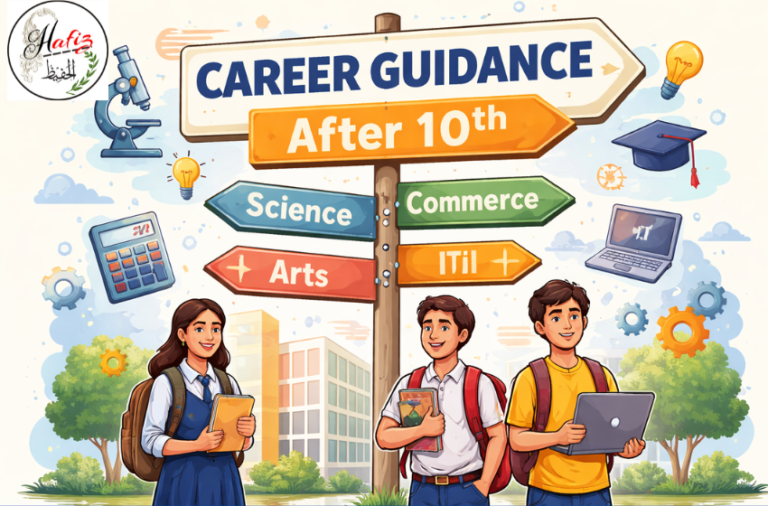
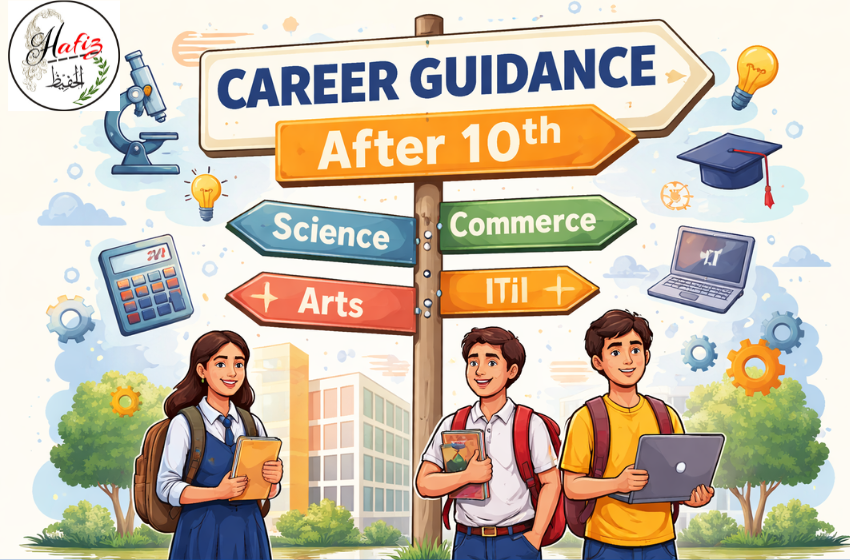
Exploring Career Paths in Arts After 10th: Your Ultimate Guide
Choosing the Arts stream after 10th opens the door to a wide range of exciting career opportunities. From creative professions in design and media to meaningful careers in social sciences, law, education, and public service, Arts offers many options for students with different interests and abilities.
With the right combination of subjects and courses, students can explore traditional degree programs such as a Bachelor of Arts (BA) as well as specialized courses in areas such as fashion design, graphic design, journalism, animation, photography, event management, and more.
This guide explains the best career options after 10th in Arts, popular subjects, courses, skills, career fields, and factors students should consider before choosing their future path.
Why Choose Arts After 10th?
The Arts stream provides a broad academic foundation that combines creativity, communication, critical thinking, social awareness, and intellectual development.
Whether you are interested in history, literature, psychology, media, law, design, public service, or social sciences, Arts can provide a suitable starting point for further education and career development.
Some important skills developed through Arts education include:
- Critical thinking
- Communication skills
- Writing and research skills
- Creativity
- Problem-solving
- Analytical thinking
- Social awareness
- Presentation skills
Arts can be particularly suitable for students who enjoy subjects such as History, Political Science, Geography, Psychology, Sociology, Economics, Literature, Languages, and Fine Arts.
However, students should choose their stream according to their interests, abilities, eligibility requirements, and long-term career goals rather than choosing a stream only because it appears easier.
Popular Career Fields for Arts Students
The Arts stream offers career opportunities across many industries. Here are some major fields students can explore.
1. Media and Communication
The media and communication sector includes careers in journalism, digital media, broadcasting, advertising, public relations, and content creation.
Journalism
Journalists research, write, edit, and present news and information for newspapers, magazines, websites, television, radio, and digital platforms.
Possible roles include:
- Journalist
- Reporter
- News Writer
- Editor
- Content Writer
- Digital Journalist
Mass Communication
Mass communication can lead to careers in television, radio, digital media, advertising, public relations, and other communication-related industries.
Digital Marketing
Digital marketing involves promoting businesses, products, services, and organizations through online platforms.
Career areas include:
- Social Media Marketing
- Search Engine Optimization
- Content Marketing
- Email Marketing
- Online Advertising
- Brand Communication
Animation
Students interested in visual storytelling can explore animation and multimedia. Animation professionals may work on films, advertisements, games, educational content, websites, and digital media.
Graphic Design
Graphic designers create visual content for advertisements, websites, social media, publications, brands, packaging, and other communication materials.
2. Design and Creative Arts
Students with strong creative interests can explore several careers in design and the creative arts.
Fashion Design
Fashion designers create clothing, accessories, patterns, and fashion concepts. Students can pursue diploma, certificate, undergraduate, or specialized fashion-design programs depending on eligibility.
Interior Design
Interior design focuses on planning and designing residential, commercial, office, retail, and other interior spaces.
Photography
Photography offers opportunities in areas such as:
- Event Photography
- Product Photography
- Fashion Photography
- Nature Photography
- Wedding Photography
- Commercial Photography
- Digital Content Creation
Fine Arts
Students interested in traditional and visual arts can explore areas such as:
- Painting
- Sculpture
- Drawing
- Applied Arts
- Illustration
- Visual Communication
Performing Arts
Students interested in performance can explore careers related to:
- Acting
- Dancing
- Music
- Theatre
- Stage Performance
- Film and Entertainment
3. Social Sciences and Public Service
Social sciences focus on understanding people, society, institutions, behavior, and economic and political systems.
Psychology
Psychology focuses on human behavior and mental processes. Students can later explore areas such as research, education, counseling-related fields, human resources, and other psychology-related professions, subject to the qualification requirements of the specific profession.
Sociology
Sociology studies society, social relationships, communities, institutions, and social behavior.
It can provide a foundation for further study and careers in areas such as:
- Social research
- Community development
- Social work
- NGOs
- Research organizations
- Public policy
Political Science
Political Science focuses on government, political systems, public institutions, international relations, and political processes.
It can also be useful for students interested in competitive examinations and public administration.
Economics
Economics involves the study of markets, resources, production, consumption, finance, and economic behavior.
Students can pursue further studies and careers in areas such as:
- Economic research
- Banking
- Finance
- Data and market analysis
- Consulting
- Public policy
Civil Services
Arts graduates can also prepare for competitive examinations such as the UPSC Civil Services Examination. Depending on the examination, eligibility, selection process, and service allocation, candidates may pursue careers in various areas of public administration and government service.
4. Law and Corporate Administration
Law is another popular career direction for Arts students.
BA LLB
Students who complete 12th standard can consider an integrated BA LLB program, which combines Arts subjects with legal education.
The integrated course is generally structured as a five-year undergraduate program, subject to the rules of the university or institution.
After completing the required legal education and other applicable requirements, graduates can explore legal careers such as:
- Advocate
- Legal Associate
- Legal Researcher
- Corporate Legal Professional
- Legal Consultant
Company Secretary (CS)
The Company Secretary profession focuses on areas related to corporate law, compliance, governance, and company administration.
Students interested in corporate law and business regulations can explore the CS pathway after meeting the applicable eligibility requirements.
5. Hospitality and Management
Students who enjoy organizing activities, working with people, and managing operations can consider careers in hospitality and management.
Hotel Management
Hotel management can lead to careers in:
- Hotels
- Resorts
- Restaurants
- Travel and tourism
- Guest relations
- Food and beverage services
- Hospitality operations
Event Management
Event management involves planning and coordinating events such as:
- Weddings
- Conferences
- Exhibitions
- Corporate events
- Cultural programs
- Social events
- Promotional events
Students can pursue diploma, certificate, or degree-level programs depending on the institution and eligibility criteria.
6. Education, Writing and Literature
Arts students who enjoy teaching, reading, writing, and research can explore several career options.
Teaching
Students interested in teaching can pursue appropriate undergraduate and professional teacher-education qualifications according to the level and type of teaching they want to enter.
Career opportunities may exist in:
- Schools
- Coaching institutes
- Educational organizations
- Online education
- Training institutions
Specific teaching positions usually have their own qualification and eligibility requirements.
Content Writing
Content writing is another growing field associated with digital media and online communication.
Content writers may create:
- Blog articles
- Website content
- Social media posts
- Product descriptions
- Educational content
- News and informational articles
Literature
Students interested in literature can study subjects such as English, Hindi, Urdu, or other languages and explore careers related to:
- Writing
- Editing
- Publishing
- Teaching
- Research
- Translation
- Content development
Main Subjects in the Arts Stream
The subjects available in Class 11 and 12 depend on the school, board, and subject combinations offered. Common Arts subjects include:
History
Useful for students interested in history, social sciences, law, competitive examinations, research, and related fields.
Political Science
Useful for students interested in government, public administration, political science, law, international relations, and competitive examinations.
Geography
Geography can be useful for students interested in environmental studies, urban planning, geography, research, and several competitive examinations.
Sociology
Sociology helps students understand society, communities, institutions, and social relationships.
Psychology
Psychology introduces students to human behavior, mental processes, and research concepts.
Economics
Economics helps students understand markets, finance, production, consumption, and economic systems.
Languages
English, Hindi, Urdu, Marathi, and other languages can be valuable for careers involving communication, literature, journalism, teaching, translation, and content creation.
Fine Arts and Applied Arts
Students interested in creative careers may explore Fine Arts, Applied Arts, drawing, painting, visual communication, and related subjects where offered.
Types of Courses After 10th in Arts
After completing Class 10, students can explore different types of courses depending on their interests and eligibility.
Diploma Courses
Diploma programs can provide practical and industry-oriented training in a relatively shorter period. Duration varies according to the course and institution.
Examples include:
- Animation
- Fashion Design
- Interior Design
- Event Management
- Photography
- Graphic Design
- Multimedia
- Travel and Tourism
Before taking admission, students should check the course duration, recognition, eligibility, curriculum, fees, and career opportunities.
Bachelor Degree Courses
Students generally pursue bachelor’s degree programs after completing Class 12.
Popular options for Arts students include:
- BA in English
- BA in History
- BA in Political Science
- BA in Sociology
- BA in Psychology
- BA in Economics
- BA in Geography
- BA in Journalism and Mass Communication
- Bachelor of Fine Arts
- BBA
- Other specialized undergraduate programs
The exact eligibility criteria and admission process vary by university and course.
Integrated Courses After 12th
Integrated courses combine two areas of education into a single program.
One popular option for students interested in law is:
BA LLB
BA LLB combines Arts subjects with legal education and is generally structured as a five-year integrated undergraduate course.
Students should check the admission requirements of individual universities and law institutions before applying.
Skills Developed Through Arts Education
Arts education can help students develop skills that are useful across many professions.
1. Critical Thinking and Analysis
Students learn to examine information, understand different perspectives, conduct research, and develop reasoned arguments.
These skills can be useful in fields such as:
- Law
- Research
- Journalism
- Public administration
- Education
- Social sciences
2. Communication and Writing
Strong communication skills are useful in almost every professional field.
Writing and communication are particularly important in:
- Journalism
- Content writing
- Law
- Teaching
- Marketing
- Public relations
3. Creativity and Self-Expression
Creative thinking is valuable in:
- Graphic design
- Fashion
- Photography
- Animation
- Fine Arts
- Advertising
- Content creation
4. Research Skills
Arts subjects often involve reading, collecting information, comparing sources, and presenting conclusions. These skills can be useful for higher education and research-oriented careers.
How to Choose the Right Career Path After 10th Arts
Choosing a career after Class 10 can feel confusing because there are many options. A systematic approach can make the decision easier.
1. Identify Your Interests
Ask yourself:
- Do I enjoy writing?
- Do I like history and society?
- Am I interested in human behavior?
- Do I enjoy drawing and designing?
- Do I like public speaking?
- Do I want to work in media?
- Am I interested in law?
- Do I want to prepare for government examinations?
Your answers can help you identify suitable subject combinations and career areas.
2. Understand Your Strengths
Consider your strengths in:
- Writing
- Communication
- Creativity
- Research
- Analytical thinking
- Public speaking
- Organization
- Leadership
Your strengths can help you select a course that matches your abilities.
3. Explore Different Courses
Do not select a course only because it is popular. Compare different options based on:
- Course duration
- Eligibility
- Fees
- Curriculum
- Recognition
- Admission process
- Practical training
- Further education opportunities
- Career options
4. Check Eligibility Requirements
Some careers have specific educational and professional requirements.
For example, law, teaching, professional qualifications, and competitive examinations may have specific eligibility conditions. Always verify the current requirements from the official institution or examination authority before applying.
5. Think About Long-Term Goals
A student’s Class 11 subject choice can influence future study options, although many career paths remain open through appropriate qualifications and entrance requirements.
If you have a specific career goal, check the required educational pathway before finalizing your subjects.
Career Options After 10th Arts: Quick Overview
| Interest Area | Possible Courses | Career Areas |
|---|---|---|
| Journalism | BA Journalism, Mass Communication | Journalist, Reporter, Content Creator |
| Psychology | BA Psychology | Research, Education, Psychology-related fields |
| Law | BA LLB after 12th | Legal profession |
| Design | Diploma/Degree in Design | Designer, Creative Professional |
| Fashion | Fashion Design courses | Fashion Industry |
| Media | Mass Communication | TV, Digital Media, Radio |
| Government Service | Graduation + Competitive Exams | Public Administration and Government Services |
| Teaching | Degree + Required Teacher Education | Teaching and Education |
| Business | BBA / Management Courses | Business and Management |
| Fine Arts | BFA / Fine Arts Courses | Artist, Designer, Creative Fields |
| Hospitality | Hotel Management | Hotels, Resorts, Tourism |
| Event Management | Diploma/Degree | Event and Production Industry |
Frequently Asked Questions About Career Options After 10th Arts
1. Can I pursue a career in fashion design after 10th?
Yes. Students can explore diploma, certificate, or other fashion-design programs after Class 10, depending on the eligibility criteria of the institution. Some degree-level programs require Class 12 completion.
2. What are the benefits of studying BA Psychology or Sociology?
BA Psychology or Sociology can provide a foundation for further study and careers related to research, education, social services, human resources, community development, and other fields. Some specialized professions require additional qualifications.
3. Can I study law immediately after Class 10?
Generally, students complete Class 12 before entering an integrated undergraduate law program such as BA LLB. A common pathway is Class 10 → Class 11–12 → BA LLB.
Students should check the current eligibility requirements of the law university or entrance examination they plan to apply for.
4. How long does a diploma in Animation or Graphic Design take?
The duration varies by institute and program. Many diploma programs can range from several months to a few years. Students should check the exact duration, curriculum, certification, and recognition before admission.
5. What is the scope of Journalism after Arts?
Journalism and media offer career opportunities across print, television, radio, websites, digital publications, and social media.
Possible roles include:
- Journalist
- Reporter
- Editor
- News Writer
- Content Writer
- Digital Media Professional
- Video Content Creator
6. Can Arts students prepare for Civil Services?
Yes. Graduates from Arts and other recognized educational backgrounds can pursue eligible civil service examinations, subject to the applicable examination rules. Students interested in this path can build a strong foundation through subjects such as History, Political Science, Geography, Economics, and other relevant areas.
7. Which subjects are important for a career in Psychology?
Students interested in Psychology can consider Psychology, Sociology, English, and other relevant subjects where available. However, the exact subject requirements vary by college and program.
For specialized psychology-related careers, students may need further undergraduate, postgraduate, and professional qualifications depending on the role.
Final Thoughts
Choosing Arts after 10th does not mean limiting your career options. It can provide a foundation for careers in media, journalism, design, law, psychology, social sciences, education, management, hospitality, public service, writing, and many other fields.
The most important step is to understand your interests, strengths, career goals, course eligibility, and future education requirements before making a decision.
Instead of choosing a course simply because someone else recommends it, explore the available options, compare institutions, understand the qualifications required, and then select a pathway that matches your goals.
Arts can be the beginning of a diverse career journey when combined with the right subjects, skills, qualifications, practical experience, and continuous learning.