Self Employment Career
Self-Employment Career After 10th: Skill-Based Courses, Jobs and Business Opportunities
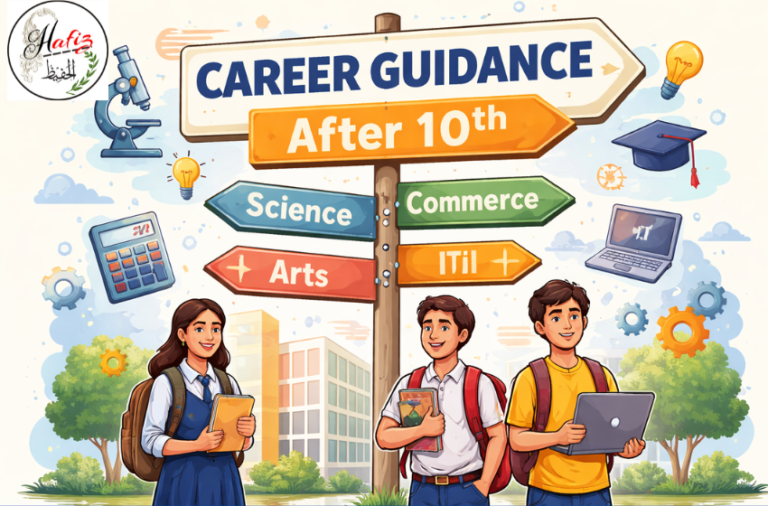
Choosing a career after Class 10 does not always mean following only the traditional academic route. Students can also develop practical skills and build careers through vocational training, short-term courses, freelancing, digital work, technical trades, service businesses and entrepreneurship.
A self-employment career after 10th can be suitable for students who want to learn a practical skill, start working earlier, provide services to customers or eventually build their own small business.
Today, skill-based opportunities are available in areas such as graphic design, digital marketing, web development, photography, IT support, electrical work, plumbing, automobile repair, beauty services, cooking, fitness, e-commerce and virtual assistance.
However, students should remember that a short course alone does not guarantee a job or income. Success usually depends on the quality of training, practical experience, communication skills, portfolio, customer service and continuous learning.
This guide explains different skill-based career options after 10th, useful courses, possible work opportunities, self-employment ideas, career-building steps and important resources.
What Is a Skill-Based Career?
A skill-based career focuses mainly on practical abilities that can be used to perform a specific job or provide a service.
Instead of depending only on a formal degree, students can develop job-ready skills through:
- Vocational courses
- ITI programs
- Skill-development programs
- Short-term certificate courses
- Apprenticeships
- Online learning
- Practical training
- Internships
- Personal projects
- Freelancing
For example, a student interested in computers can learn web development. Someone interested in creativity can learn graphic design. A student who enjoys repairing things can consider electrical, automobile or appliance repair.
The right choice depends on the student’s interest, ability, learning style, financial situation and long-term career goals.
Creative and Digital Career Options After 10th
Creative and digital careers are suitable for students who enjoy technology, design, communication, photography, video, social media or online work.
These careers may provide opportunities for employment, freelancing and self-employment.
1. Graphic Design and Animation
Graphic designers create visual material for businesses, organizations, websites, social media and advertising.
Skills and tools
Students can gradually learn:
- Canva
- Adobe Photoshop
- Adobe Illustrator
- Basic typography
- Logo design
- Social media graphics
- Poster design
- Brochure design
- Basic animation
- Motion graphics
- Image editing
Career opportunities
A trained graphic designer may work as:
- Junior graphic designer
- Social media designer
- Visual content creator
- Freelance designer
- Branding assistant
- Digital design assistant
Students can also create a portfolio and approach local businesses, schools, NGOs, shops and online clients.
Important: Professional design work requires practice. Learning software is only the first step; creativity, layout, communication and understanding client requirements are equally important.
2. Digital Marketing
Digital marketing involves promoting products, services, organizations or brands through online channels.
Major areas of digital marketing
Students can explore:
- Search Engine Optimization (SEO)
- Social media marketing
- Content marketing
- Email marketing
- Online advertising
- Website promotion
- Basic analytics
- Content creation
Digital marketing can be used in agencies, companies, small businesses and freelance projects.
A student can begin by learning the basics and then practice by creating sample social media campaigns or managing a small project.
Possible career roles
- Digital marketing assistant
- SEO assistant
- Social media assistant
- Content marketing assistant
- Social media manager
- Freelance digital marketer
Digital marketing is a field where skills and practical results can become important parts of a portfolio.
3. Web Development and App Development
Web development involves creating and maintaining websites. App development focuses on creating software applications for mobile or other platforms.
Beginner technologies
Students may start with:
- HTML
- CSS
- JavaScript
- Python
- Basic databases
- Git and GitHub
- Flutter for cross-platform app development
A beginner does not need to learn everything at once.
A practical learning path can be:
HTML → CSS → JavaScript → Projects → Git/GitHub → Advanced development
Students can build simple projects such as:
- Personal portfolio website
- Business website
- Blog
- School website
- Product page
- Basic calculator
- Simple mobile application
A portfolio containing real projects can help demonstrate practical ability to potential employers or clients.
4. Photography and Videography
Photography and videography can become creative careers or small businesses.
Possible areas include:
- Event photography
- Wedding photography
- Product photography
- Portrait photography
- Video editing
- YouTube content
- Social media videos
- Promotional videos
- Short-form video production
Students can start by learning camera basics, lighting, composition, audio recording and editing.
A professional camera is not always necessary at the beginning. Students can first develop their photography and editing skills using available equipment.
Possible self-employment model
A student can eventually offer services to:
- Local shops
- Restaurants
- Educational institutes
- Small businesses
- Event organizers
- Content creators
- NGOs
Technical and Skilled Trade Careers After 10th
Not every successful career requires computer-based work. Technical and skilled trades continue to play an important role in homes, businesses, industries and infrastructure.
5. Computer Applications and IT Support
Basic computer knowledge is useful in almost every industry.
Students can develop skills in:
- MS Word
- MS Excel
- PowerPoint
- Internet usage
- Email communication
- Data entry
- Basic troubleshooting
- File management
- Basic networking
- Cybersecurity awareness
With additional training, students can explore IT support and computer technician roles.
Possible opportunities
- Computer operator
- Data entry operator
- IT support trainee
- Office assistant
- Computer service assistant
- Freelance computer support
Students should be careful about data-entry jobs advertised online. Genuine employers generally do not require large upfront payments for simply providing employment.
6. Electrical Work
Electrical skills can lead to employment as well as self-employment.
Training may cover:
- Basic electrical wiring
- Electrical safety
- Installation work
- Switchboards
- Lighting systems
- Basic troubleshooting
- Electrical maintenance
Possible work areas include:
- Residential electrical work
- Commercial maintenance
- Installation services
- Repair services
- Electrical contracting
For regulated or higher-risk work, students should follow applicable training, licensing and safety requirements.
7. Plumbing
Plumbing is another practical trade that can become a service-based business.
Training may include:
- Pipe fitting
- Water supply systems
- Bathroom fittings
- Leakage repair
- Drainage systems
- Maintenance
- Basic tools and safety
An experienced plumber can eventually operate an independent service business and build customers through referrals and local marketing.
8. Carpentry and Furniture Work
Students interested in working with wood can explore carpentry and furniture-related skills.
Possible work includes:
- Furniture repair
- Furniture making
- Wooden interiors
- Door and window work
- Modular furniture assistance
- Custom furniture
- Wood finishing
Computer-aided design and modern tools can also be learned later to improve productivity and design capabilities.
9. Automobile Repair and Service
Students interested in vehicles can explore automobile service and repair.
Possible areas include:
- Two-wheeler service
- Automobile technician work
- Basic vehicle maintenance
- Electrical systems
- Diagnostics
- Air-conditioning systems
- Vehicle detailing
With appropriate technical training and experience, a student may eventually work in a workshop or start a small repair/service business.
10. Mobile and Electronic Device Repair
Mobile phones and electronic devices require regular maintenance and repair.
Students can learn:
- Basic electronics
- Mobile hardware
- Software troubleshooting
- Component identification
- Soldering
- Diagnostic techniques
- Device maintenance
A repair professional can work in a service centre or establish a local repair shop after gaining sufficient practical experience.
11. Home Appliance Repair
Domestic appliances such as refrigerators, washing machines, air conditioners and other electrical equipment require trained technicians.
Possible areas include:
- Appliance installation
- Maintenance
- Troubleshooting
- Repair
- Customer service
Students should receive proper technical and safety training before working with electrical equipment.
Service and Wellness Careers After 10th
Service-based careers can be suitable for students who enjoy working directly with people.
12. Beauty and Makeup
Beauty and makeup can become employment, freelance or entrepreneurship opportunities.
Students may learn:
- Basic makeup
- Bridal makeup
- Hair styling
- Skin-care basics
- Salon services
- Nail care
- Beauty service management
Career options
- Salon assistant
- Beauty professional
- Makeup artist
- Bridal makeup specialist
- Freelance makeup artist
- Salon entrepreneur
Students should select training institutes carefully and understand what certification or practical training is actually included.
13. Cooking and Baking
Cooking and baking skills can be converted into small-business opportunities.
Possible options include:
- Home-based food business
- Cake business
- Bakery products
- Tiffin services
- Small-event catering
- Snack business
- Food photography
- Food content creation
Before starting a food business, students should understand applicable food-safety, registration and local business requirements.
Students can begin with a small menu and focus on quality, hygiene, packaging, customer service and cost control.
14. Fitness and Personal Training
Students interested in fitness can explore careers in:
- Gym assistance
- Fitness training
- Personal training
- Online fitness content
- Sports support services
Professional personal training involves knowledge of exercise technique, safety and basic human anatomy.
Anyone offering fitness or health-related services should stay within their training and professional scope and avoid making unsupported medical claims.
Business and Finance-Related Career Options After 10th
Students interested in business can combine practical skills with digital tools.
15. E-Commerce Specialist
E-commerce involves selling products and services through online platforms.
Students can learn:
- Product listing
- Product photography
- Order management
- Customer communication
- Inventory basics
- Online marketing
- Marketplace operations
- Basic analytics
E-commerce knowledge can support both employment and entrepreneurship.
A student can eventually build a small online business after understanding products, customers, pricing, logistics and applicable legal requirements.
16. Virtual Assistance
A virtual assistant provides remote administrative support to businesses or professionals.
Typical tasks may include:
- Email management
- Scheduling
- Data organization
- Customer communication
- Online research
- Document preparation
- Social media assistance
- Basic administrative work
Students with good communication and computer skills can gradually develop this career.
17. Bookkeeping and Basic Accounting Support
Students interested in numbers can learn basic bookkeeping and accounting software.
Possible skills include:
- Recording transactions
- Invoicing
- Expense tracking
- Basic spreadsheets
- Accounting software
- Business documentation
However, students should understand the difference between basic bookkeeping support and regulated professional accounting services. Professional work requiring specific qualifications should be performed only when the applicable requirements are met.
How to Start a Skill-Based Career After 10th
Choosing a skill is only the beginning. Students should follow a practical process.
Step 1: Identify Your Interests
Ask yourself:
- What do I enjoy doing?
- Do I prefer computers or practical work?
- Do I enjoy creativity?
- Do I like repairing things?
- Do I enjoy working with people?
- Do I want to work independently?
- Do I want to start a business?
- Am I comfortable learning online?
The answers can help narrow down career options.
Step 2: Research the Career Before Paying for a Course
Before joining a course, check:
- Course syllabus
- Duration
- Practical training
- Trainer qualifications
- Certification details
- Placement claims
- Total fees
- Equipment available
- Reviews from genuine learners
- Career opportunities after completion
Do not choose a course only because an advertisement promises a high salary.
Step 3: Explore ITI and Vocational Training
The Industrial Training Institute (ITI) route is useful for students interested in technical trades.
Depending on the trade and institute, students can explore areas such as:
- Electrician
- Fitter
- Welder
- Mechanic
- COPA
- Plumber
- Electronics
- Refrigeration and air conditioning
- Other technical trades
For official information, students can refer to the Directorate General of Training and the National Skill Development Corporation.
Directorate General of Training (DGT)
National Skill Development Corporation (NSDC)
Step 4: Use Online Learning Carefully
Online learning can be useful for digital skills.
Students can learn:
- Graphic design
- Coding
- Digital marketing
- Video editing
- Photography
- Office applications
- Communication skills
- Business basics
Some useful learning resources include:
SWAYAM – Government of India Online Learning Platform
Students should compare course content before paying for any private online program.
Step 5: Build a Practical Portfolio
A portfolio shows what you can actually do.
For example:
Graphic Designer
Create:
- 5 social media posts
- 3 posters
- 2 logos
- 1 brochure
Web Developer
Create:
- Personal website
- Business website
- Portfolio website
- Simple web application
Photographer
Create:
- Product photographs
- Portraits
- Event photographs
- Edited images
Video Editor
Create:
- Short videos
- Promotional video
- YouTube-style video
- Social media reel
A strong portfolio can sometimes communicate practical ability more effectively than a certificate alone.
Step 6: Start With Small Projects
Students do not need to begin with large clients.
They can start by helping:
- Local shops
- Friends and family businesses
- Schools
- Coaching centres
- NGOs
- Small offices
- Local service providers
Small projects can help develop:
- Experience
- Communication
- Customer handling
- Time management
- Confidence
- Portfolio material
Step 7: Learn How to Market Your Skills
A good skill needs visibility.
Students can use:
- YouTube
- Professional websites
- Local business networks
- Freelancing platforms
- Personal referrals
The goal should not be simply to advertise. Students should clearly explain:
What service do I provide?
Who do I help?
What work can I show?
How can someone contact me?
Step 8: Understand Freelancing Before Starting
Freelancing means providing services to clients without necessarily being a permanent employee.
Common freelance services include:
- Graphic design
- Video editing
- Writing
- Web development
- Digital marketing
- Photography
- Social media management
- Virtual assistance
Freelancing can provide flexibility, but income may not be regular, especially at the beginning.
Students should learn:
- Client communication
- Pricing
- Deadlines
- Contracts
- Invoicing
- Payment safety
- Revision policies
- Professional behaviour
Can Students Start Self-Employment After 10th?
Yes, students can begin developing skills after Class 10 and may eventually build self-employment opportunities.
However, age, local laws, contracts, business registration, taxation, financial accounts and other requirements may apply depending on the activity.
For minors, parental or guardian support may be necessary for certain contracts, accounts or business arrangements.
Therefore, students should focus first on learning, practice and portfolio building rather than expecting immediate income.
Skill-Based Career vs Traditional Degree
Both routes can be valuable.
| Skill-Based Route | Degree-Based Route |
|---|---|
| Focuses on practical skills | Focuses on academic education |
| Can involve shorter training | Usually requires longer study |
| Useful for trades and specific services | Useful for many professional careers |
| Can support self-employment | Can provide eligibility for degree-based roles |
| Portfolio and experience can be important | Qualification requirements may be important |
| Suitable for some early-entry careers | Useful for careers requiring formal degrees |
Students should not think of these routes as completely separate. A student can learn a practical skill after 10th and continue formal education at the same time.
Benefits of Skill-Based Careers After 10th
Skill-based careers can offer several potential advantages.
1. Practical Learning
Students spend significant time learning skills that can be directly applied.
2. Multiple Career Models
A person may work as:
- Employee
- Freelancer
- Contractor
- Service provider
- Entrepreneur
3. Opportunity to Start Small
Some service businesses can be started gradually after acquiring sufficient training, tools and experience.
4. Portfolio-Based Growth
Creative and digital careers often allow students to demonstrate their work through portfolios and projects.
5. Continuous Learning
Digital and technical fields change over time, encouraging professionals to keep upgrading their skills.
Important Things to Avoid
Students should be careful about unrealistic career promises.
Avoid courses or advertisements that promise:
- Guaranteed jobs
- Guaranteed monthly income
- Instant freelancing success
- Easy work-from-home income
- Very high salaries without experience
- “No skill required” online jobs
- Large income after a few days of training
Before paying money, verify the institution, course, certification and placement claims.
Career Roadmap After 10th
A simple roadmap can look like this:
Class 10
↓
Identify Interest
↓
Choose Skill Area
↓
Join Suitable Training
↓
Practice Every Day
↓
Build Portfolio
↓
Complete Small Projects
↓
Gain Experience
↓
Find Employment / Freelance Work
↓
Develop Client Network
↓
Start Self-Employment or Business
↓
Continue Skill Development
This process can take time. There is no single fixed timeline for becoming successful.
Best Skill-Based Career Areas to Explore After 10th
| Career Area | Example Skills | Possible Work Model |
|---|---|---|
| Graphic Design | Canva, Photoshop, Illustrator | Job/Freelance |
| Digital Marketing | SEO, Social Media | Job/Freelance |
| Web Development | HTML, CSS, JavaScript | Job/Freelance |
| Photography | Camera, Editing | Freelance/Business |
| Video Editing | Editing Software | Job/Freelance |
| IT Support | Computer, Networking | Job/Service |
| Electrical | Wiring, Maintenance | Job/Self-Employment |
| Plumbing | Installation, Repair | Job/Self-Employment |
| Automobile | Vehicle Repair | Job/Workshop |
| Mobile Repair | Electronics, Diagnostics | Job/Shop |
| Beauty | Makeup, Salon Skills | Job/Self-Employment |
| Cooking | Food Preparation | Job/Business |
| Fitness | Exercise, Training | Job/Service |
| E-Commerce | Listing, Marketing | Job/Business |
| Virtual Assistance | Admin, Communication | Remote/Freelance |
| Bookkeeping | Records, Spreadsheets | Job/Service |
Frequently Asked Questions
Can I build a career without a college degree?
Yes. Some careers are strongly skill-based and may not require a traditional college degree for entry. However, many professions do require specific educational qualifications, licences or registrations.
Which skill should I learn after 10th?
There is no single best skill for every student. Choose according to your interests, abilities, learning opportunities and long-term plans.
Can I earn money after a short-term course?
A short-term course can help you develop a skill, but it does not guarantee income. Earning potential depends on your ability, experience, market demand, portfolio and clients or employers.
Can I work from home after 10th?
Some digital and service-based activities can be performed remotely. However, work-from-home opportunities should be carefully verified because online job scams are common.
Is freelancing a permanent career?
Freelancing can become a long-term career for some people, but income can vary. Building repeat clients, maintaining quality and continuously improving skills are important.
Is certification necessary?
Certification can be useful, especially when an employer or regulated occupation requires it. In many creative and digital fields, practical ability, projects and portfolio can also be important.
How long does it take to learn a skill?
Basic skills can sometimes be learned in a few months, but professional competence generally requires continued practice and real-world experience.
Can I start a business after learning a skill?
Yes, some skills can eventually be converted into service businesses. Students should understand the applicable legal, financial, safety and registration requirements before starting.
Which is better: skill-based education or regular education?
They serve different purposes. Students can also combine both. For example, a student may continue formal education while learning graphic design, coding, digital marketing or another practical skill.
What should I do if I am confused about my career?
Start with your interests and strengths. Explore a few fields, talk to experienced professionals, research course requirements and try beginner-level projects before making a major decision.
Useful Official Resources
Students can use official government resources when researching skill development and vocational education.
- Directorate General of Training (DGT) — Information related to vocational training and ITI ecosystem.
- National Skill Development Corporation (NSDC) — Skill-development ecosystem and related information.
- Skill India Digital — Digital platform for skill-development opportunities.
- SWAYAM — Government of India online learning platform.
Students should always verify current eligibility, course availability, fees, certification and admission details directly from the official institution or government website.
Conclusion
A self-employment career after 10th can begin with a practical skill, but long-term success usually requires much more than completing a course.
Students can explore creative careers such as graphic design, photography and video editing. They can also learn digital skills such as web development and digital marketing. Technical students may consider electrical work, plumbing, automobile repair, electronics or IT support. Others may explore beauty services, cooking, fitness, e-commerce, virtual assistance or bookkeeping.
The most important steps are to choose a suitable skill, receive proper training, practice regularly, build a portfolio, gain real experience and continue learning.
Students should also understand that not every skill-based career is suitable for everyone. Some occupations require specific qualifications, licences, registrations or safety training.
The goal should not be to find the quickest way to earn money. The better approach is to build a useful skill that can create opportunities for employment, freelancing or self-employment over time.
With patience, practical experience and responsible career planning, skill-based education can become an important part of a student’s long-term career journey.
Suggested Internal Links for HafizPortal
To strengthen internal SEO, connect this article with relevant HafizPortal career-guidance articles using natural anchor text such as:
- Career Options After 10th Arts
- Career Options After 10th Science
- Management Courses After 10th
- IT Courses and Careers After 10th
- Engineering Courses After 10th
- Creative and Design Careers After 10th
- Medical and Paramedical Courses After 10th
- Vocational Courses and ITI Career Options