Career Options After 10th: Medical & Paramedical Courses Guide
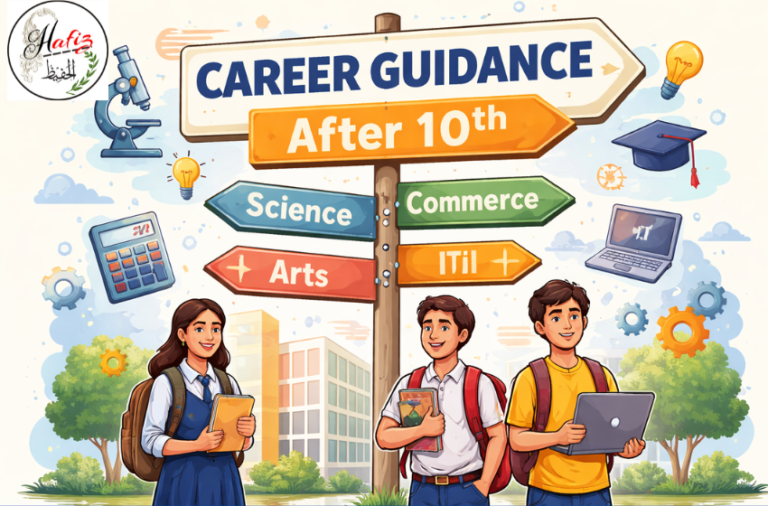
Career Guidance Chart After 10th: Medical and Paramedical Courses
Introduction: Medical and Paramedical Career Options After 10th
Choosing the right career after Class 10 is an important decision for students interested in the healthcare sector. Students who want to become doctors or enter medical and healthcare professions can choose from several academic and professional pathways.
For students planning to pursue undergraduate medical programs, Science with Physics, Chemistry and Biology (PCB) is generally the relevant subject combination in Classes 11 and 12, subject to the eligibility requirements of the specific course and institution.
At the same time, students who want to enter the healthcare sector earlier can explore paramedical diploma, certificate, nursing, laboratory, imaging, pharmacy, and allied healthcare programs. These careers support doctors and other healthcare professionals in diagnosis, treatment, patient care, rehabilitation, and healthcare operations.
This guide explains the major medical and paramedical career options after 10th, the courses available after 10th and 12th, career roles, higher education opportunities, and how students can choose a suitable path.
Medical Stream After 10th: Choose Science with PCB
Students who want to pursue several undergraduate medical degree programs should normally choose the Science stream with Physics, Chemistry and Biology (PCB) in Classes 11 and 12.
Main Subjects
- Physics
- Chemistry
- Biology
Depending on the course and admission rules, additional subjects and eligibility requirements may also apply.
Students should always check the latest official admission notification for the specific course because eligibility criteria can vary.
Importance of the Medical Stream
The medical field focuses on understanding the human body, diseases, diagnosis, treatment, prevention, rehabilitation, and patient care.
A medical career generally requires:
- Strong academic preparation
- Regular study
- Discipline
- Practical training
- Communication skills
- Patience
- Professional responsibility
- Long-term commitment
Students should understand that medical education can involve several years of academic study and practical training.
Medical Degree Options After Class 12 with PCB
After completing Class 12 with the relevant subjects, students can explore different professional healthcare degree programs.
1. MBBS – Bachelor of Medicine and Bachelor of Surgery
MBBS is the primary undergraduate medical degree for students who want to become medical doctors in India.
Career Roles
Depending on qualifications, registration, internship, and further specialization, career paths can include:
- Medical Practitioner
- General Physician
- Medical Officer
- Specialist Doctor after postgraduate training
- Surgeon after appropriate postgraduate specialization
- Pediatrician after appropriate specialization
Medical graduates must complete the required internship and meet the applicable registration requirements before independently practicing medicine.
Important Point
Admission to MBBS in India is based on the applicable admission process, including NEET-UG for undergraduate medical admissions, subject to current rules.
2. BDS – Bachelor of Dental Surgery
BDS prepares students for a professional career in dentistry.
Dentists deal with oral health, teeth, gums, and related conditions.
Career Roles
- Dentist
- Dental Surgeon
- Dental Clinic Professional
- Hospital Dental Professional
- Dental Researcher
- Dental Educator after appropriate higher qualifications
A BDS graduate can work in hospitals, dental clinics, community healthcare settings, or establish a dental practice subject to applicable registration and regulatory requirements.
3. BAMS – Bachelor of Ayurvedic Medicine and Surgery
BAMS is an undergraduate degree in Ayurveda.
The program covers Ayurvedic concepts along with relevant modern medical and scientific subjects as prescribed by the curriculum.
Career Roles
- Ayurvedic Medical Practitioner
- Ayurvedic Consultant
- Medical Officer where eligible
- Ayurveda Research Professional
- Academic Professional after higher studies
- Healthcare or wellness professional
Graduates must follow applicable registration and professional practice requirements.
4. BHMS – Bachelor of Homoeopathic Medicine and Surgery
BHMS is an undergraduate degree in Homoeopathy.
The course provides education in homoeopathic principles and related medical subjects according to the prescribed curriculum.
Career Roles
- Homoeopathic Medical Practitioner
- Homoeopathic Consultant
- Healthcare Professional
- Research Professional
- Academic Professional after higher education
Graduates must meet the applicable registration and professional practice requirements.
Paramedical Stream: An Early Entry into Healthcare
Paramedical and allied healthcare careers support doctors, nurses, and other healthcare professionals.
These professionals may work in areas such as:
- Medical diagnosis
- Laboratory testing
- Medical imaging
- Patient care
- Rehabilitation
- Emergency care
- Operation theatre support
- Pharmacy
- Healthcare technology
For students who want practical healthcare training without following the full medical degree route, paramedical and allied healthcare courses can provide alternative career pathways.
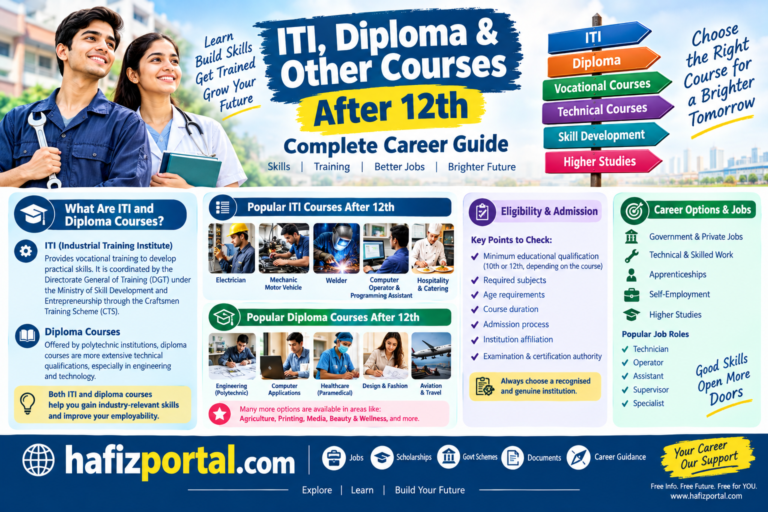
Diploma Paramedical Courses After 10th or 12th
Diploma programs can be suitable for students who want practical skills and an opportunity to enter the healthcare workforce after completing the required eligibility level.
Course availability and eligibility vary by institution and state.
Popular Diploma and Allied Healthcare Courses
D.Pharm – Diploma in Pharmacy
Career Role:
- Pharmacist, subject to applicable registration requirements
D.Pharm focuses on medicines, pharmacy practice, dispensing, pharmaceutical sciences, and related areas.
DMLT – Diploma in Medical Laboratory Technology
Career Role:
- Medical Laboratory Technician
Medical laboratory professionals assist with testing and analysis of clinical samples under the applicable scope of practice.
Radiography and X-Ray Technology
Career Roles:
- Radiography Technician
- X-Ray Technician
Professionals in this field assist with diagnostic imaging procedures according to their training and scope of practice.
Optometry
Career Roles:
- Optometrist
- Vision Care Professional
Optometry focuses on eye and vision-related services within the professional scope and applicable regulations.
Physiotherapy
Career Role:
- Physiotherapy Professional
Physiotherapy focuses on rehabilitation, movement, physical function, and recovery from certain injuries or health conditions.
The exact course name, duration, and professional eligibility depend on the program and applicable regulations.
Nursing – ANM and GNM
Nursing is an important part of healthcare delivery.
Depending on the qualification and applicable regulations, nursing professionals can work in:
- Hospitals
- Clinics
- Community healthcare
- Nursing homes
- Healthcare institutions
ANM and GNM have different eligibility, training, and professional registration requirements, so students should check the latest official rules before admission.
Operation Theatre Technology
Career Role:
- Operation Theatre Technician
- OT Assistant
OT professionals support surgical teams by helping prepare the operation theatre, equipment, and required materials according to their training and responsibilities.
ECG, Dialysis and Anaesthesia Technology
These specialized healthcare areas involve technical support for clinical teams.
Possible career roles include:
- ECG Technician
- Dialysis Technician
- Anaesthesia Technician
- Healthcare Technician
Eligibility and course structure vary according to the institution and program.
Certificate Paramedical Courses After 10th
Certificate courses are generally shorter programs focused on specific practical skills.
Depending on the institution and applicable regulations, students may find certificate-level programs such as:
- X-Ray Assistant
- Medical Lab Assistant
- Dental Assistant
- Ophthalmic Assistant
- Emergency Medical Technician (EMT)
- Phlebotomy
- Healthcare Assistant
Students should carefully check whether a certificate course is recognized and whether it provides eligibility for a particular job or professional registration.
Important Note About Specialized Roles
Some roles listed in healthcare education advertisements may require a specific degree, diploma, license, or professional registration. For example, perfusion technology is a specialized healthcare field and generally requires appropriate specialized education rather than a short general certificate.
Easy Medical and Paramedical Career Path After 10th
Students can follow different pathways depending on their career goals.
Step 1: Choose Your Path After Class 10
Students can consider:
Path A – Medical Degree Route
Choose Science with the relevant PCB subjects in Classes 11 and 12 if you plan to pursue medical and several other healthcare degree programs.
Path B – Paramedical or Allied Healthcare Route
Students who want practical skill-based training can explore eligible diploma or certificate programs after Class 10 or Class 12.
The exact eligibility depends on the course and institution.
Step 2: Options After Class 12
After completing Class 12 with the required subjects, students can explore:
Medical Degree Programs
Depending on eligibility and admission rules:
- MBBS
- BDS
- BAMS
- BHMS
For several undergraduate medical programs in India, NEET-UG is an important entrance examination, subject to current admission regulations.
Allied Healthcare and Nursing Degrees
Students can also explore degree programs such as:
- BSc Nursing
- BSc Medical Laboratory Technology
- BSc Radiology or Medical Imaging-related programs
- BOptom or related optometry programs
- Physiotherapy degree programs
- Other allied healthcare programs
Course names, eligibility, entrance requirements, and professional recognition vary by institution and regulatory framework.
Step 3: Career Roles
After completing the relevant qualification and meeting applicable professional requirements, graduates can work in roles such as:
- Medical Laboratory Technician
- Radiography Professional
- Nurse
- Pharmacist
- Physiotherapy Professional
- Optometry Professional
- OT Technician
- ECG Technician
- Dialysis Technician
- Healthcare Assistant
Step 4: Career Progression
Healthcare professionals can continue developing their careers through:
- Higher education
- Advanced diplomas
- Specialized certifications
- Postgraduate programs
- Clinical experience
- Professional training
- Research
Experienced professionals may move into senior technical, clinical support, supervisory, teaching, administrative, or specialized roles depending on their qualification and field.
Some healthcare professionals may also explore international opportunities. However, working abroad usually requires country-specific education recognition, licensing, registration, language requirements, examinations, and professional experience, depending on the occupation and destination.
Medical vs Paramedical Career Path
| Feature | Medical Degree Path | Paramedical/Allied Healthcare Path |
|---|---|---|
| Main Focus | Diagnosis and treatment through regulated medical practice | Healthcare support, diagnosis, rehabilitation and technical services |
| Common Starting Route | Class 11–12 Science with relevant subjects | Depends on course; some begin after 10th, others after 12th |
| Examples | MBBS, BDS, BAMS, BHMS | DMLT, Radiography, Nursing, Pharmacy, Optometry, Physiotherapy |
| Study Duration | Generally longer | Varies by course |
| Practical Training | Extensive | Depends on specialization |
| Career Areas | Clinical medicine and healthcare | Laboratory, imaging, nursing, pharmacy, rehabilitation and technical services |
| Higher Studies | PG degrees and specialization | Advanced diplomas, bachelor’s, master’s and specialization |
Benefits of Medical and Paramedical Careers
Healthcare careers can offer several professional opportunities.
1. Multiple Career Pathways
Students can choose from medicine, dentistry, Ayurveda, Homoeopathy, nursing, pharmacy, laboratory technology, imaging, rehabilitation, optometry, and other allied healthcare fields.
2. Practical Professional Skills
Many healthcare programs include practical training, laboratory work, clinical exposure, or other hands-on learning.
3. Opportunity to Serve Society
Healthcare professionals contribute to patient care, disease prevention, diagnosis, treatment, rehabilitation, and community health.
4. Scope for Higher Education
Students can continue their education through postgraduate courses, advanced certifications, specialization, research, and academic programs.
5. Opportunities in Different Healthcare Settings
Depending on the qualification, professionals may work in:
- Hospitals
- Clinics
- Diagnostic laboratories
- Imaging centres
- Pharmacies
- Rehabilitation centres
- Nursing homes
- Research organizations
- Healthcare companies
- Public health institutions
However, job availability and career progression vary by profession, qualification, location, experience, and employer.
How to Choose Between Medical and Paramedical Careers
Students should consider the following factors before selecting a course.
1. Academic Interest
Ask yourself whether you enjoy:
- Biology
- Chemistry
- Human anatomy
- Healthcare
- Laboratory work
- Technology
- Patient care
2. Long-Term Study Commitment
Medical degrees and some healthcare professions require several years of academic and practical training.
Students should understand the total time commitment before selecting a course.
3. Desire for Early Employment
Students who want to develop job-oriented technical skills earlier may consider eligible diploma or certificate programs.
4. Financial and Time Considerations
Compare:
- Course duration
- Tuition fees
- Practical training
- Hostel or living expenses
- Entrance examination requirements
- Future education costs
5. Professional Recognition
Always verify whether the course and institution are recognized by the relevant authority and whether the qualification provides the professional registration or eligibility required for the intended job.
Frequently Asked Questions
Is PCB necessary for a medical career?
PCB is generally the relevant subject combination in Classes 11 and 12 for students targeting undergraduate medical programs such as MBBS and several other healthcare degree programs. Specific eligibility varies by course and current admission rules.
Can I join a paramedical course after Class 10?
Yes. Some diploma and certificate-level healthcare programs accept students after Class 10. However, many professional degree and diploma programs require Class 12 or specific subjects.
Always check the latest eligibility requirements before admission.
Is NEET required for all medical courses?
NEET-UG is used for admission to several undergraduate medical programs in India, including MBBS and BDS and, under the applicable rules, certain AYUSH courses such as BAMS and BHMS.
However, not every paramedical or allied healthcare course requires NEET. Admission requirements vary by course, institution, and state.
Which paramedical courses have good career opportunities?
Courses such as medical laboratory technology, radiography and imaging, nursing, pharmacy, physiotherapy, optometry, dialysis technology, and other allied healthcare programs can lead to different career opportunities.
Students should compare eligibility, recognition, course quality, practical training, and local employment opportunities rather than selecting a course only because it is described as “high demand.”
Can paramedical professionals work abroad?
Some healthcare professionals can pursue international careers, but requirements vary by country and profession. Depending on the occupation, professionals may need qualification recognition, registration, licensing examinations, language proficiency, and relevant experience.
Is nursing a good career option?
Nursing is an important healthcare profession with opportunities in hospitals, community healthcare, nursing facilities, public health, education, and other settings. Career opportunities depend on qualification, registration, experience, location, and employer requirements.
Can I upgrade from a diploma to a degree?
In some fields, diploma holders may have pathways to higher education or degree programs. However, the availability of lateral entry, credit transfer, or other progression routes depends on the specific qualification, institution, university, and applicable regulations.
How long does it take to become a doctor?
For MBBS in India, the undergraduate program generally includes 4.5 years of academic study plus a 1-year compulsory rotating internship, subject to the applicable regulations. Therefore, students should plan for approximately 5.5 years after Class 12 for the MBBS qualification and internship, before considering any further specialization.
Conclusion
Medical and paramedical careers after Class 10 offer students several pathways into the healthcare sector. Students who want to pursue medical degree programs can generally choose Science with PCB in Classes 11 and 12 and later explore courses such as MBBS, BDS, BAMS, and BHMS, subject to the applicable eligibility and admission rules.
Students who want to enter healthcare through practical and technical roles can explore paramedical and allied healthcare programs such as medical laboratory technology, radiography, nursing, pharmacy, physiotherapy, optometry, operation theatre technology, dialysis technology, and other specialized fields.
The right choice depends on academic interests, career goals, course duration, financial considerations, professional recognition, and willingness to pursue further education.
Students should always verify the latest eligibility criteria, entrance examinations, course recognition, registration requirements, and admission rules from the relevant official authorities before choosing a healthcare course.
Secondary Keywords:
- Medical courses after 10th
- Paramedical courses after 10th
- Medical career after 10th
- Paramedical career options
- PCB after 10th
- Science stream after 10th
- MBBS after 12th
- BDS after 12th
- BAMS after 12th
- BHMS after 12th
- DMLT course
- Nursing courses after 10th
- Pharmacy courses
- Radiography course
- Physiotherapy course
- Optometry course
- Allied healthcare courses
- Healthcare career options
- Medical career guidance
- Paramedical career guidance